Category Archives: research

New Research on Swallowing Difficulties in Older Adults

Swallowing difficulties, or dysphagia, are more common in older adults than many realize. While occasional coughing or trouble swallowing pills might seem minor, these can signal underlying changes in swallowing function that require attention. A recent study by Namasivayam-MacDonald, Werbeloff, and Shune used data from over 11 years of interviews with thousands of older adults to better understand the prevalence and risk factors of swallowing problems in the U.S. 

The study found that 8.7–10.2% of older adults reported swallowing difficulties at any given time. Interestingly, these problems were often transient, meaning they came and went rather than staying constant. This suggests that dysphagia in older adults can be linked to episodic health changes—such as illness, injury, or medication side effects—rather than always being permanent. 

Several important risk factors emerged, including: 

  • Poor overall health and multiple medical conditions
  • Lower physical activity and reduced muscle strength
  • Difficulty eating independently (needing help at meals)
  • Low income and less education, highlighting the role of social determinants of health
  • Hispanic ethnicity, which the authors linked to disparities in healthcare access and support

These findings underscore that swallowing is not just a medical issue—it’s deeply connected to overall health, nutrition, mobility, and social support. 

For caregivers, understanding these risks is crucial. Swallowing problems can lead to serious complications, including pneumonia, malnutrition, dehydration, and reduced quality of life. Because dysphagia is often under diagnosed, caregivers are often the first to notice red flags such as frequent coughing during meals, needing to swallow multiple times per bite, or avoiding certain foods. 

What can caregivers do? 

  1. Watch for early signs. Keep track of changes like coughing or throat clearing during meals, unexplained weight loss, or prolonged meal times.
  2. Encourage regular check-ups. Ask healthcare providers about swallowing screenings, especially if your loved one has dementia, lung disease, or recent hospitalizations.
  3. Promote safe eating environments. Reduce distractions at meals, ensure good posture (upright position), and allow plenty of time for eating.
  4. Seek professional help early. Speech-language pathologists (SLPs) can assess swallowing and recommend safe strategies or food textures.
  5. Support overall health. Physical activity, adequate hydration, and good nutrition can help maintain muscle strength—including swallowing muscles.
  6. Address barriers. If cost, transportation, or language are obstacles, reach out to social workers or local aging agencies for support. 

The research also suggests that periodic re-screening is essential, as swallowing problems can develop or resolve over time. By staying vigilant and advocating for care, caregivers can help prevent complications and maintain their loved one’s safety and dignity. 

Understanding dysphagia and its risk factors empowers caregivers to act early and effectively. With proper support, many older adults with swallowing problems can continue to enjoy meals safely and comfortably. 

Reference

Namasivayam-MacDonald, A., Werbeloff, M., & Shune, S. (2025). Prevalence and predictors of self-reported swallowing difficulties in community-dwelling older adults: A population-based study from the National Health and Aging Trends Study (NHATS). Dysphagia. Advance online publication. https://doi.org/10.1007/s00455-025-10860-0
Another year of successful capstone projects

A big congratulations to Claire Malany, Hayley Neptune, and Magda van Leeuwen on the successful completion of their master’s capstone projects. The projects they completed through the O-SEE Lab were all extremely meaningful and clinically relevant – and have great potential to impact the field of speech-language pathology. The titles of their projects were:

Mealtime management of culturally and linguistically differing (CLD) populations: A qualitative study (Claire Malany and Hayley Neptune)

Implications of snacking on nutrition and quality of life in nursing home residents (Magda van Leeuwen)


Check out the great handouts they prepared with some of the key take-aways from their talks!

Cultural Responsivity and Dysphagia

Implications of Snacking on Nutrition and Quality of Life in Nursing Home Residents

Introducing Dr. Ting-fen Lin

Allow us to introduce the recently minted Dr. Ting-fen Lin!

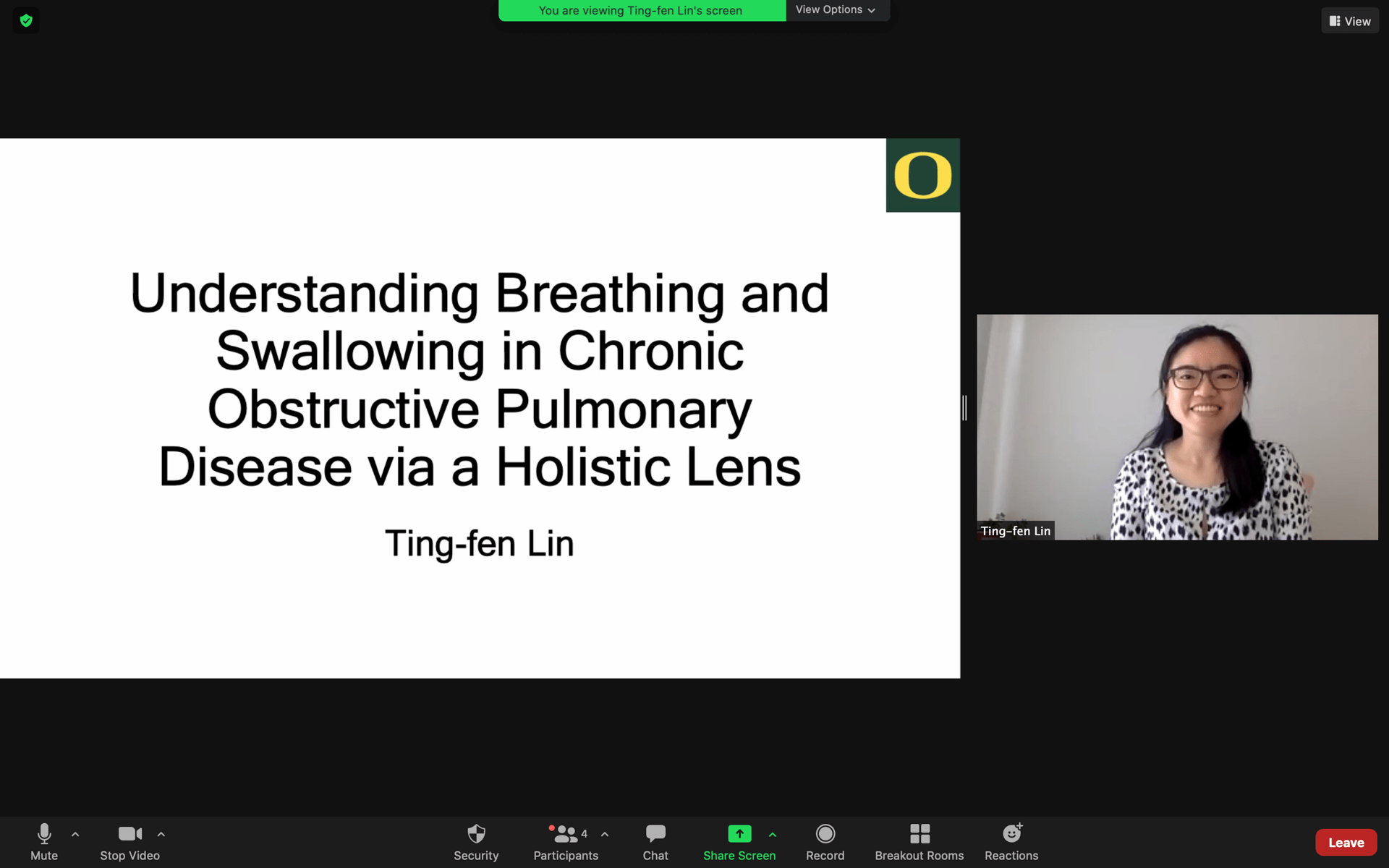
Ting-fen successfully defended her dissertation entitled, “Understanding breathing and swallowing in chronic obstructive pulmonary disease via a holistic lens.” The purpose of her project was to evaluate the feasibility, acceptability, and effectiveness of a breathing-based yoga program among individuals with COPD. Her entire committee was unanimously enthusiastic about the implications of her important work, including the identification of an accepted and effective intervention to target the physical and psycho-emotional correlates of COPD-related dyspnea. You would not have known that her project required a complete pivot in scope, modality, and methods as a result of the COVID pandemic! She will be starting a faculty position this fall in the Fresno State Department of Communicative Sciences and Deaf Studies.
Congratulations, Ting-fen!

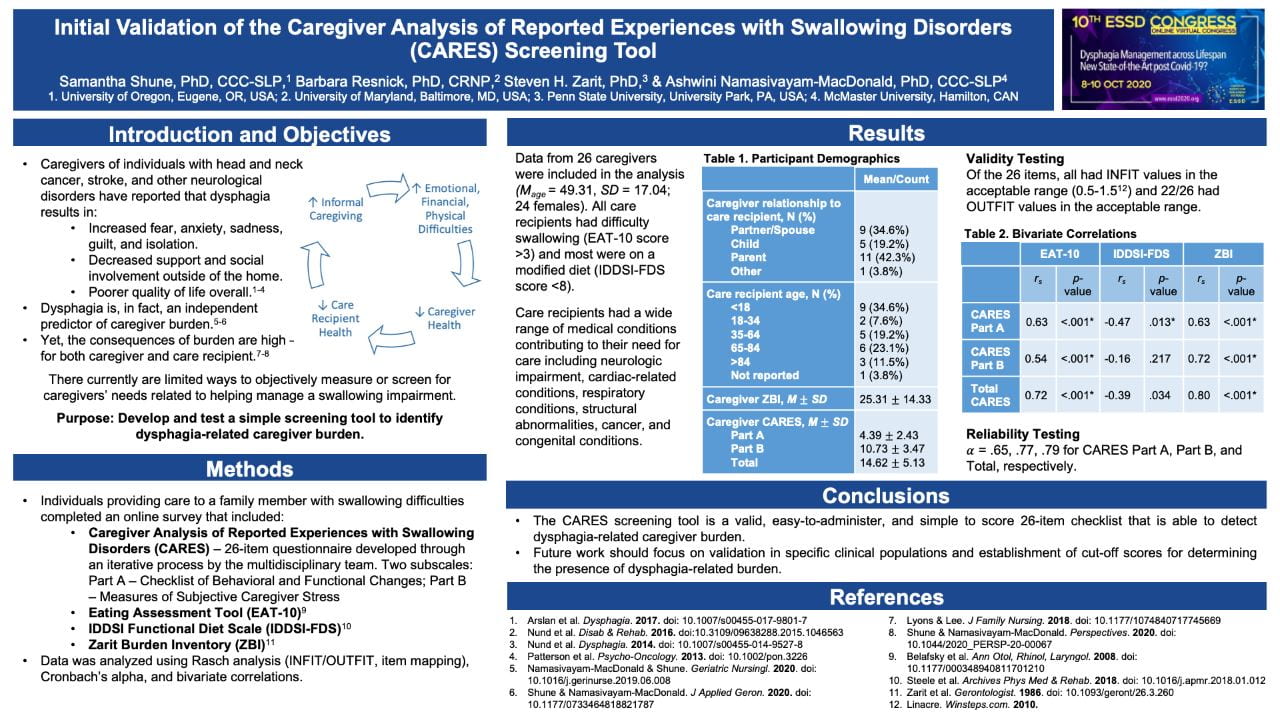
(CARES) screening tool

Brand new publication hot off the press. Authored by Samantha E. Shune, Barbara Resnick, Steven H. Zarit, and Ashwini M. Namasivayam-MacDonald.

Dysphagia is a debilitating condition with widespread consequences. Previous research has revealed dysphagia to be an independent predictor of caregiver burden. However, there is currently no systematic method of screening for or identifying dysphagia-related caregiver burden. The aim of this study was to develop a set of questions for a dysphagia related caregiver burden screening tool, the Caregiver Analysis of Reported Experiences with Swallowing Disorders (CARES) and pilot the tool to establish preliminary validity and reliability.

Click here to read more.

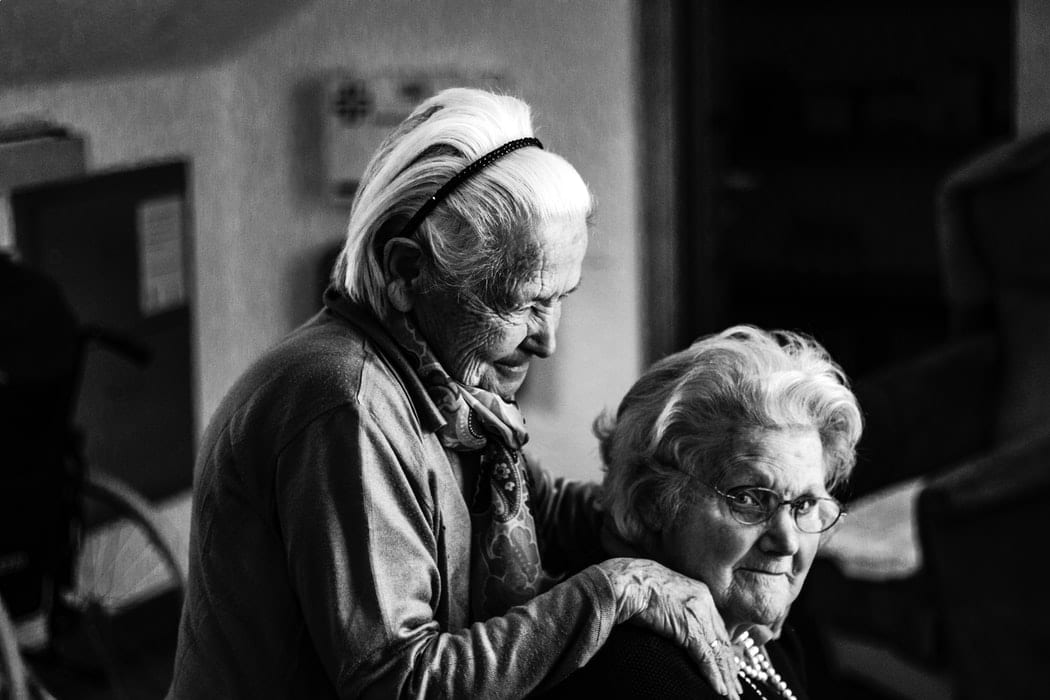
Elderly woman with adult child

Oregon Speech-Language and Hearing Association Conference

We had a lot of representation at this year’s Oregon Speech-Language and Hearing Association Conference! Our participants this year included: Dr. Shune, collaborator Dr. Reva Barewal, current Ph.D. students David Bayne, Ting-fen Lin, and Bedoor Nagshabandi; lab alumni Rachel Gulliford, Marissa White, and Lauren Zinnershine.

Barewal, R. & Shune, S. (2020). Transitional foods: Updates on their behavior, use, and benefits in both adult and pediatric populations.

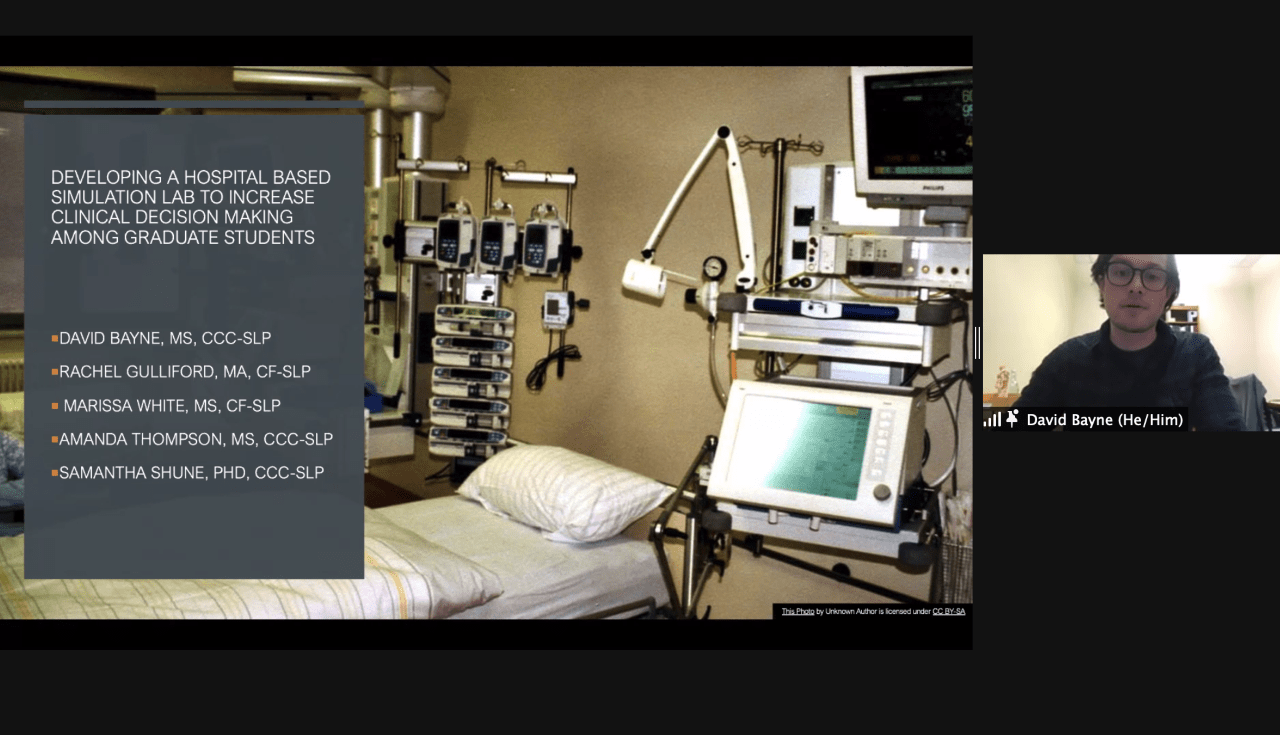
*Bayne, D., *Gulliford, R., Thompson, A., *White, M., & Shune, S. (2020). Developing a hospital-based simulation lab for increased educational exposure.

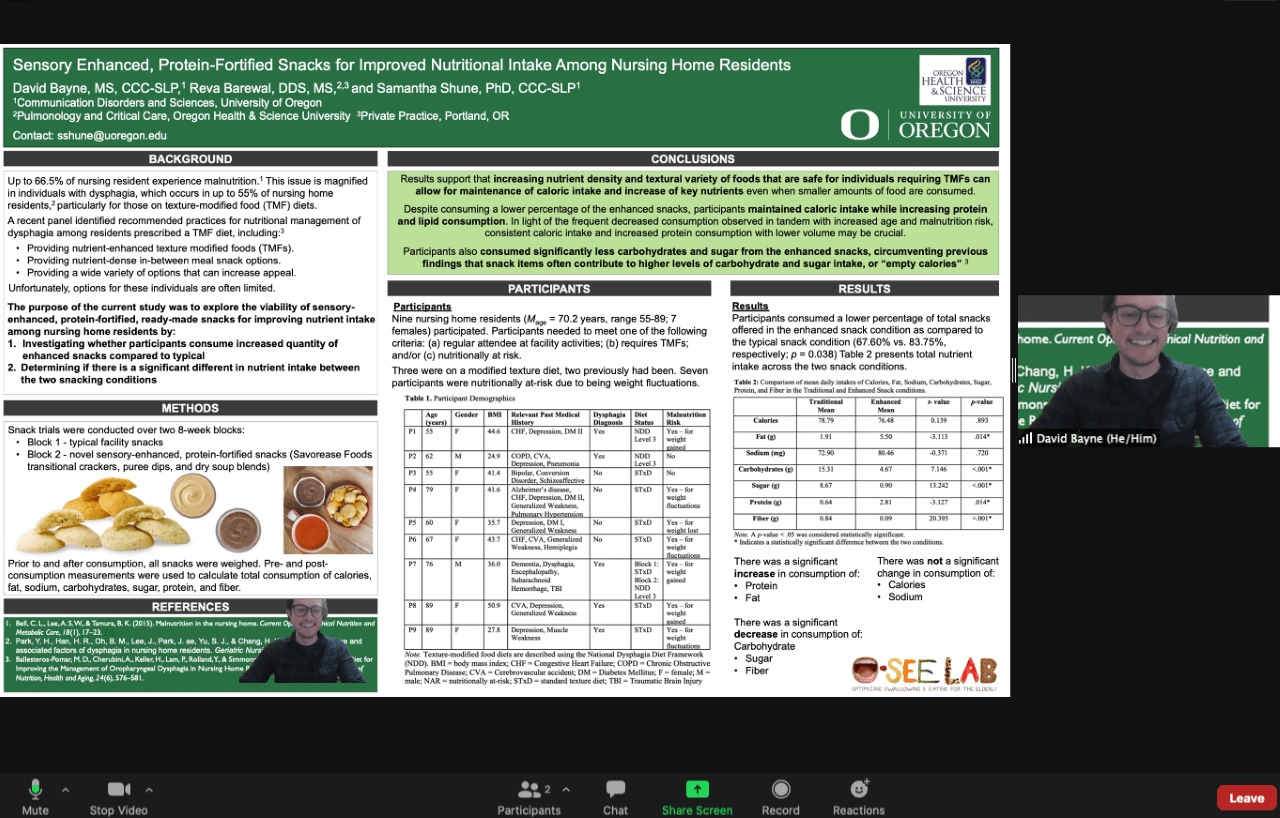
*Bayne, D., Barewal, R., & Shune, S. (2020). The use of enhanced foods to reduce malnourishment.

*Lin, T., Deshmukh, R., & Shune, S. (2020). Swimming against the currents of work-related stress in healthcare.

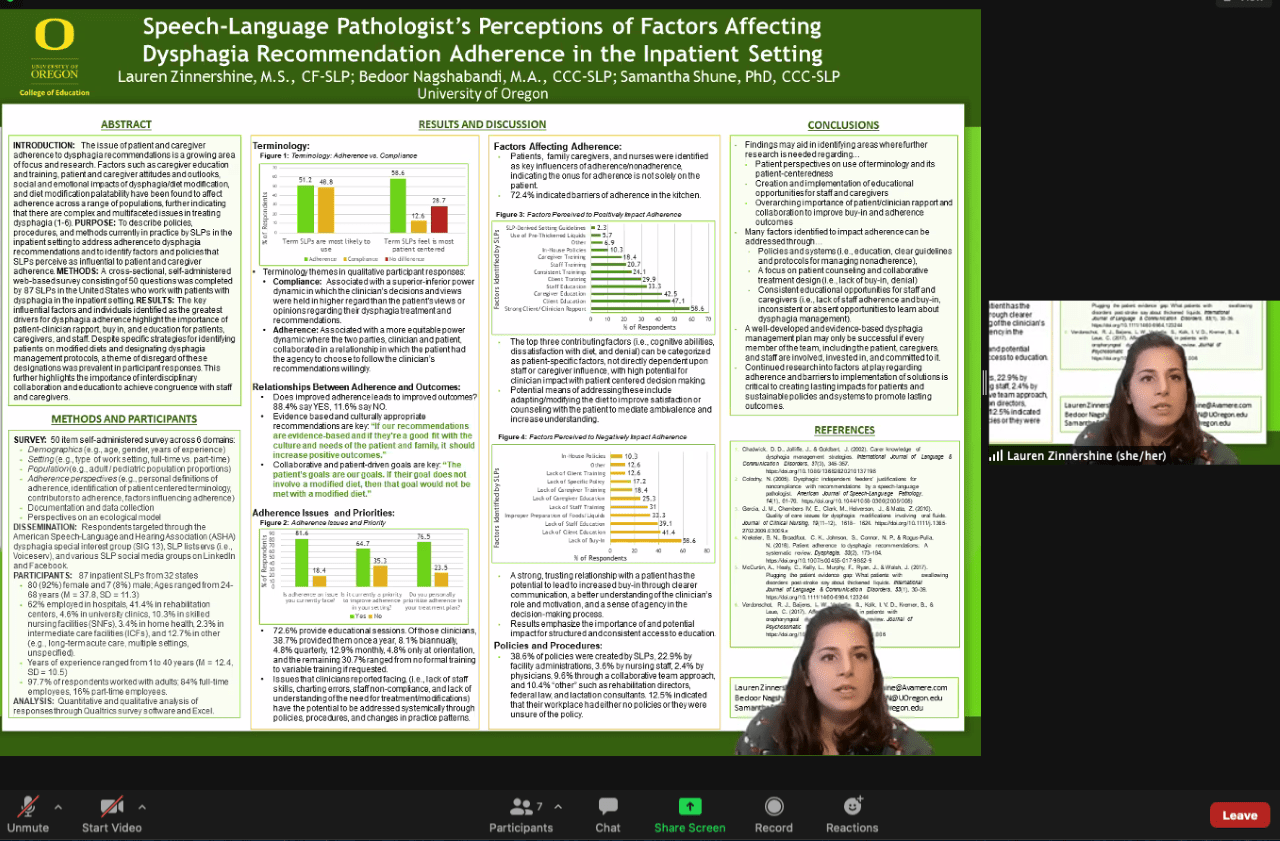
*Zinnershine, L., *Nagshabandi, B., & Shune, S. (2020). Speech-language pathologists’ perceptions of factors affecting dysphagia adherence in the inpatient setting.


COPD and dysphagia

Congratulations to O-SEE Lab doctoral student Ting-fen Lin on her first publication!

Chronic obstructive pulmonary disease (COPD) is a leading global cause of death and disability. The literature has previously established clear psychological characteristics of COPD-related dysphasia (swallowing difficulties). However, COPD and dysphagia are both also intimately tied to breathing and contribute to a cascade of secondary physio-psycho-emotional sequelae, such as COPD exacerbation, anxiety, depression, increased economic burden, social isolation, and decreased quality of life. Ultimately, we propose a model that more comprehensively captures the constellation of interrelated disease characteristics and consequences, highlighting a need for researchers and healthcare providers to consider disease impact more broadly in order to maximize treatment outcomes.

Check out the details about her new publication here

ABSSD Webinar for Dysphagia Awareness Month

A big thank you to the American Board of Swallowing and Swallowing Disorders for inviting Dr. Shune and Dr. Ashwini Namasivayam-MacDonald to speak about caregiver burden as part of their Dysphagia Awareness Month series. It was wonderful to be able to share our recent work and discuss opportunities for both clinicians and researchers to better engage with caregivers and family members.

In case you missed it, a recording of the Zoom session is available on their Facebook page here.

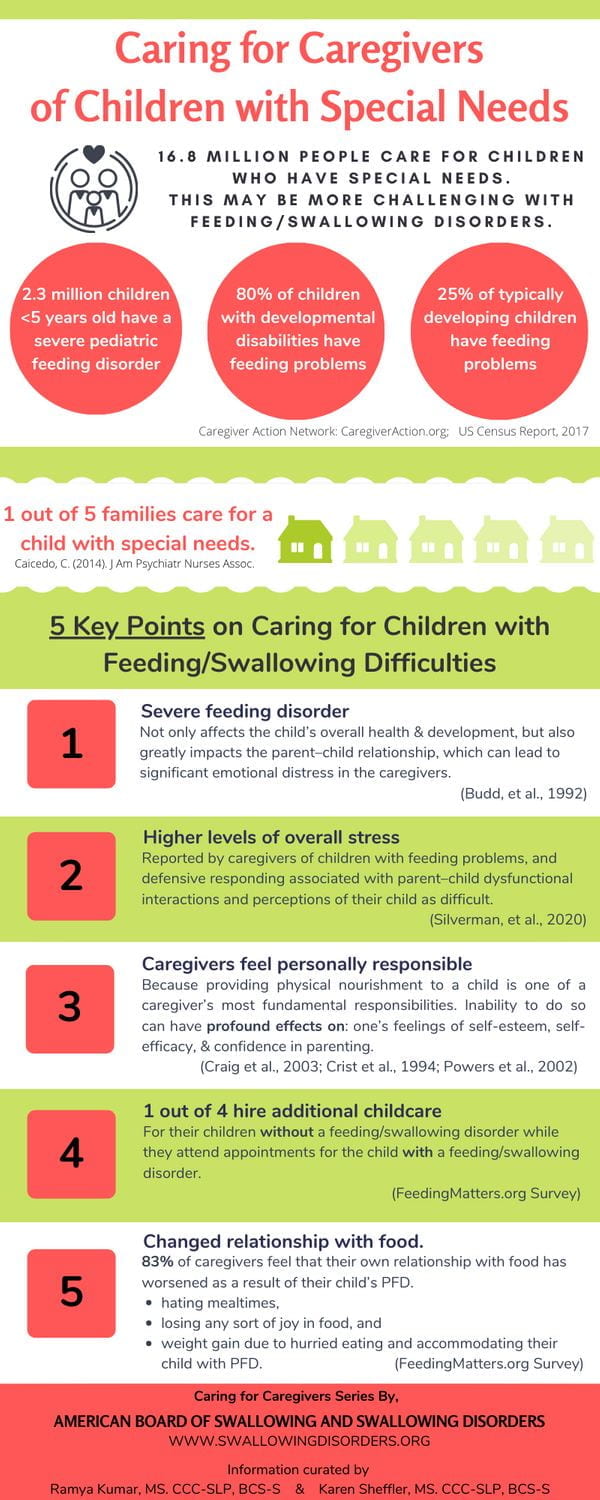
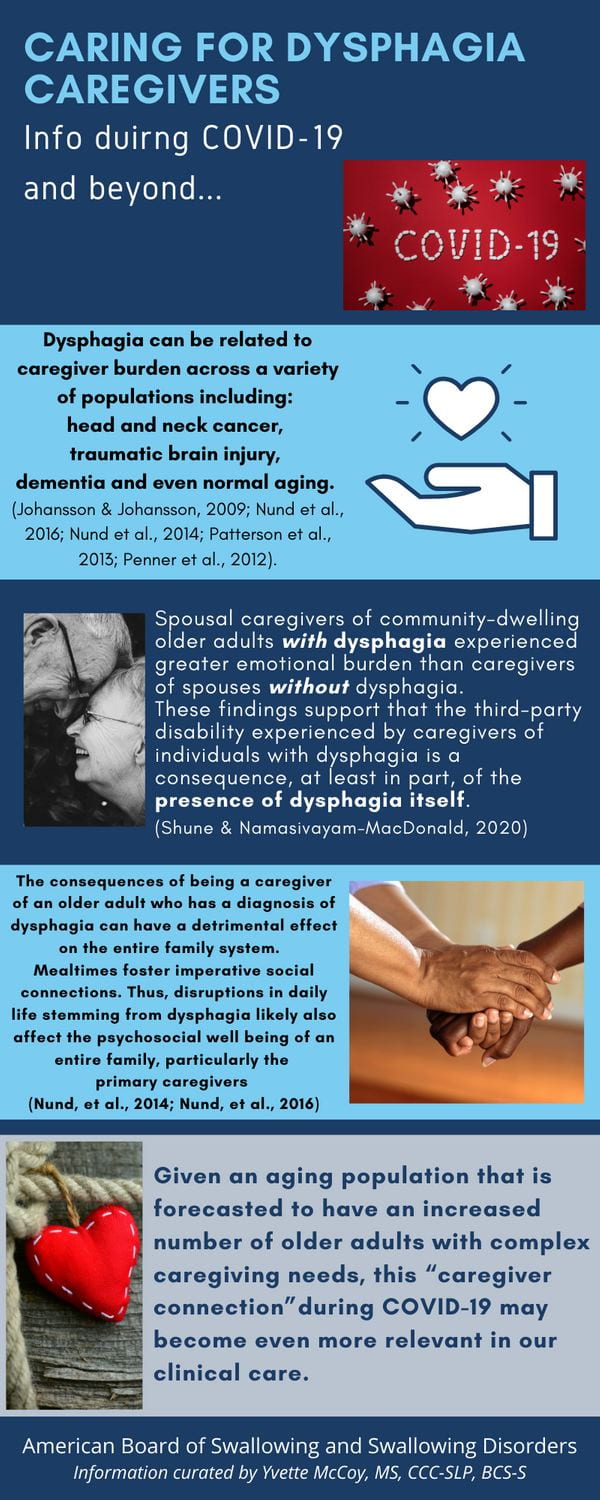
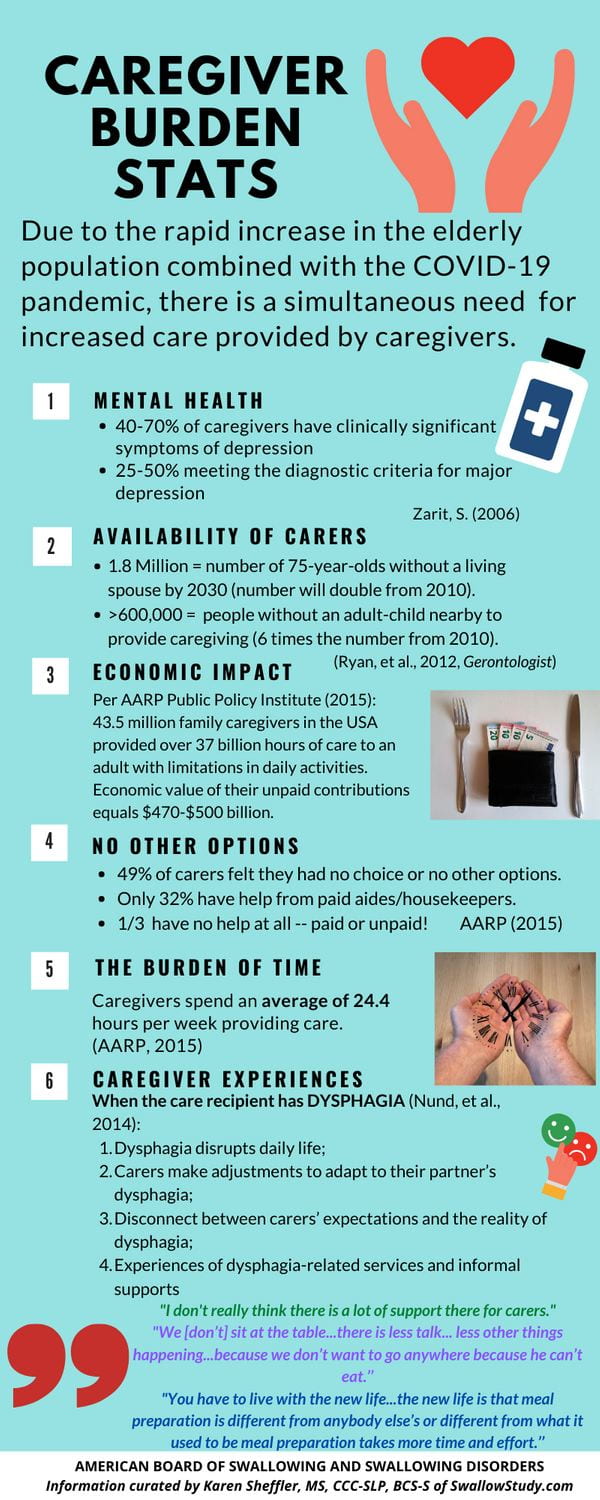
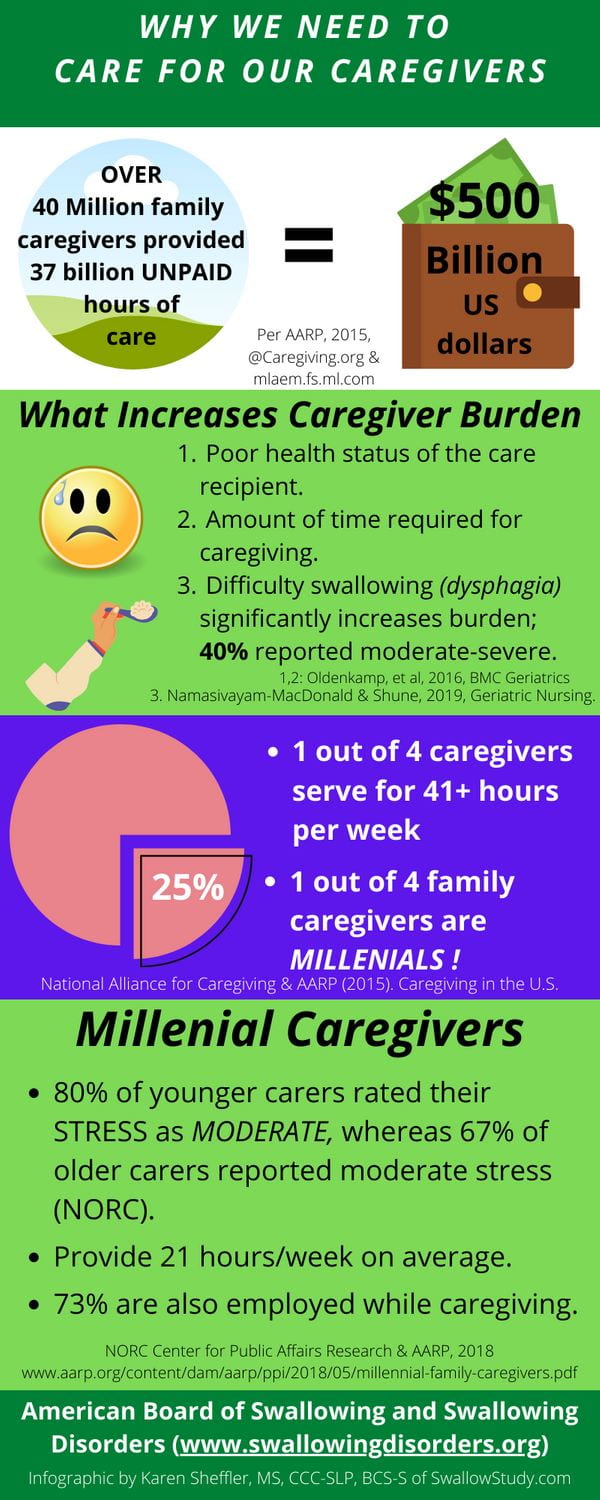
In light of COVID-19 and the increased burden placed on caregivers, the ABBSD has focused on honoring caregivers this Dysphagia Awareness Month. They have created a number of wonderful infographics that they have been sharing on their social media throughout the month, including:

Speaking to caregiver burden

A brand new publication out by Dr. Samantha Shune and Ashwini Namasivayam-MacDonald. Read on to learn more.

The biopsychosocial ramifications of dysphagia are widespread. However, its influence on informal caregivers and families is often overlooked. Ultimately, the health and well-being of an entire family is central to care provision. This tutorial introduces readers to the current literature on dysphagia-related caregiver burden and third-party disability, illustrates the consequences of such burden on both caregivers and patients, and suggests strategies for better supporting patients’ informal caregivers.

The link to the article can be found here.

Undergraduate Research Symposium

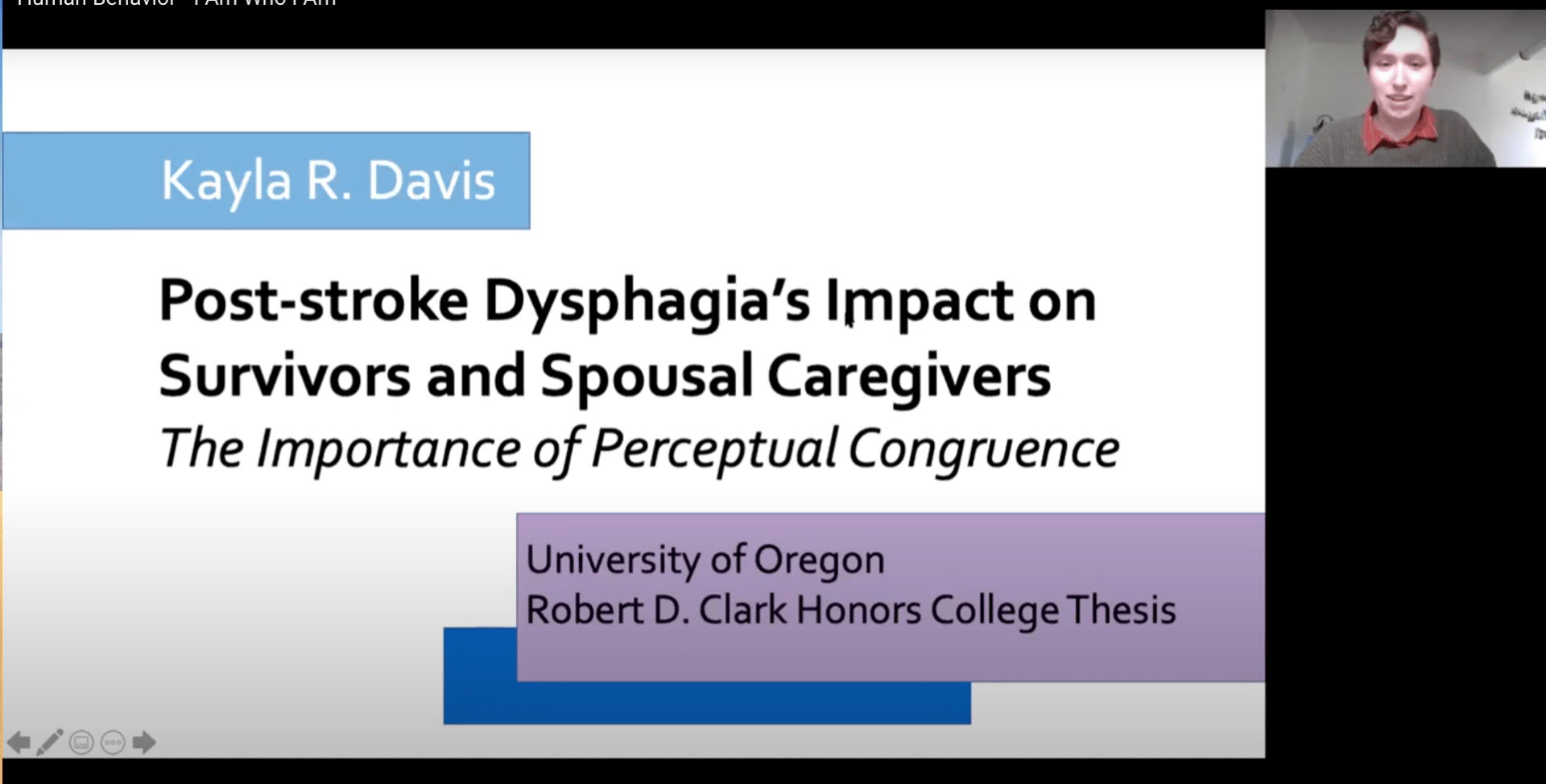
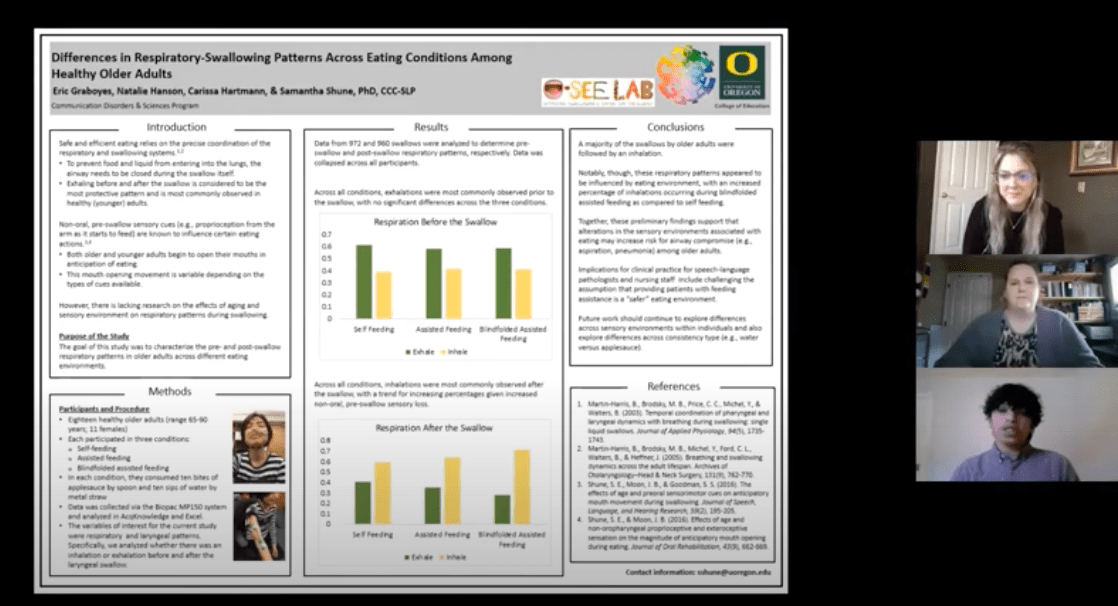
While this year’s undergraduate research symposium looked a little differently, O-SEE undergrads took the technology challenges in stride and did excellent jobs with the new Zoom format. Congratulations to Cameron Davis, Eric Graboyes, Natalie Hanson, and Carissa Hartmann who all presented at this year’s conference.